
How long does it take to make a bespoke kilt?
A behind-the-scenes look at the craftsmanship behind a traditional hand-sewn kilt, exploring the 30+ hours of precision, skill, and attention to detail involved in creating a bespoke garment designed to last for generations.
Fuensanta Guerrero Alba
3/8/20262 min read
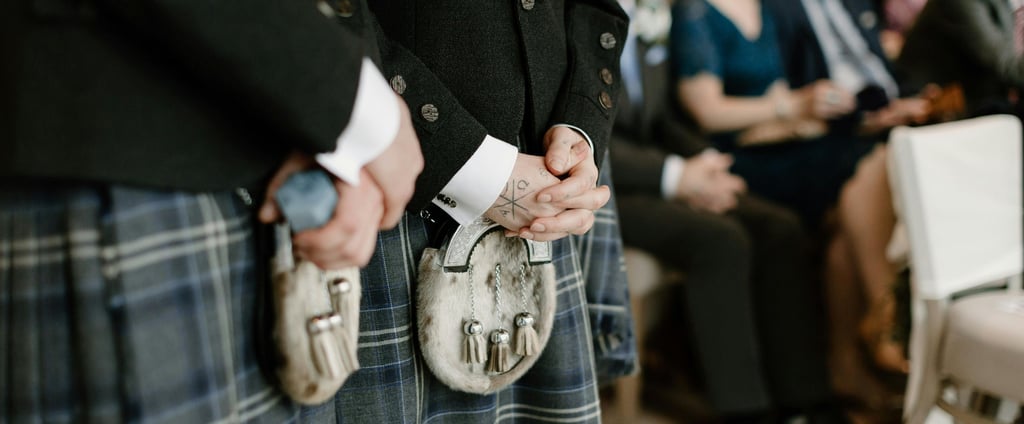
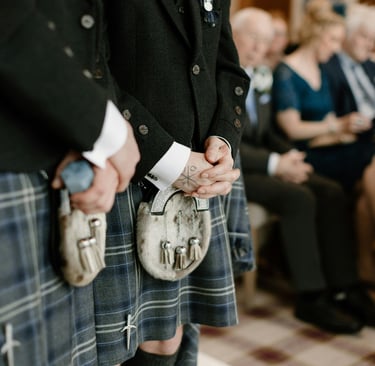
When people ask how long it takes to make a kilt, they are often surprised by my answer.
A traditional 8-yard hand-sewn kilt takes approximately 30 hours to complete. However, the process begins long before the first stitch.
From the initial consultation — discussing the tartan or fabric, style, measurements, and bespoke details such as lining, straps, buckles, and fringe — each kilt is carefully planned to suit the individual.
A traditional kilt is made with longevity in mind. Extra fabric is left under the aprons, allowing for future adjustments and ensuring the kilt can grow with the wearer over time.
The making process itself includes:
Preparing the cloth and marking out the sett
Setting out the aprons and pleats accurately
Cutting and finishing the fringe
Running-stitching the pleats before hand-stitching them permanently
Shaping each pleat to enhance the silhouette
Creating the internal structure using canvas and stabilising ribbon
Attaching the waistband, straps, and lining
Pressing and setting the pleats
While 30 hours is a general guide, in reality many kilts take longer. I work with a high level of precision and often revisit details, refining the work until everything sits exactly as it should.
Each pleat must be positioned so that the pattern flows correctly across the back. The shaping is subtle but essential — it affects how the kilt moves, how it hangs, and how it feels when worn.
I first fell in love with this process after moving to Scotland and expanding my making skills into kilt-making. What began as learning something new gradually became a passion, and over the years that passion grew into a business.
Part of that journey has been understanding the patience it requires. I am, by nature, a perfectionist, and I often go back over my work, refining details that most people would never notice — because every stitch contributes to the final balance and finish of the kilt.
Machine-made kilts exist, and they have their place. But a hand-crafted kilt has a different weight, balance, and longevity.
When you commission a bespoke kilt, you are not just purchasing fabric — you are investing in time, skill, and tradition.
A well-made kilt can last decades. It can be altered, repaired, and passed on.
That is why craftsmanship matters.
Craftsmanship
Blending passion and culture through unique kilt creations.
Heritage
Tradition
info@santalbakilts.com
+44 74058 73174
© 2026 All rights reserved.
Get in touch